Home Inspection Deal-Breakers in Minnesota
The findings that should genuinely make a buyer walk away.
The findings that should genuinely make a buyer walk away. This guide is written for Twin Cities metro home buyers by Home Inspectors Twin Cities.
Most inspection findings are negotiable or fixable. A few should make a Twin Cities buyer seriously reconsider — not because they are impossible to repair, but because the cost, risk, or uncertainty is large enough to change the entire deal.
Structural movement
Active foundation movement — not cosmetic cracking, but documented displacement, bowing block, or a failing footing — is the classic deal-breaker. Repairs run into serious money and the engineering uncertainty is high. In the Twin Cities metro's expansive clay, this needs a structural engineer before you proceed.
Systemic electrical hazards
Whole-house aluminum branch wiring without proper remediation, active knob-and-tube buried in insulation, or an obsolete or recalled panel are recognized fire hazards that also affect insurability. These are common enough in 1960s–70s Hennepin and Ramsey counties homes that buyers should take them seriously.
Concealed water and mold
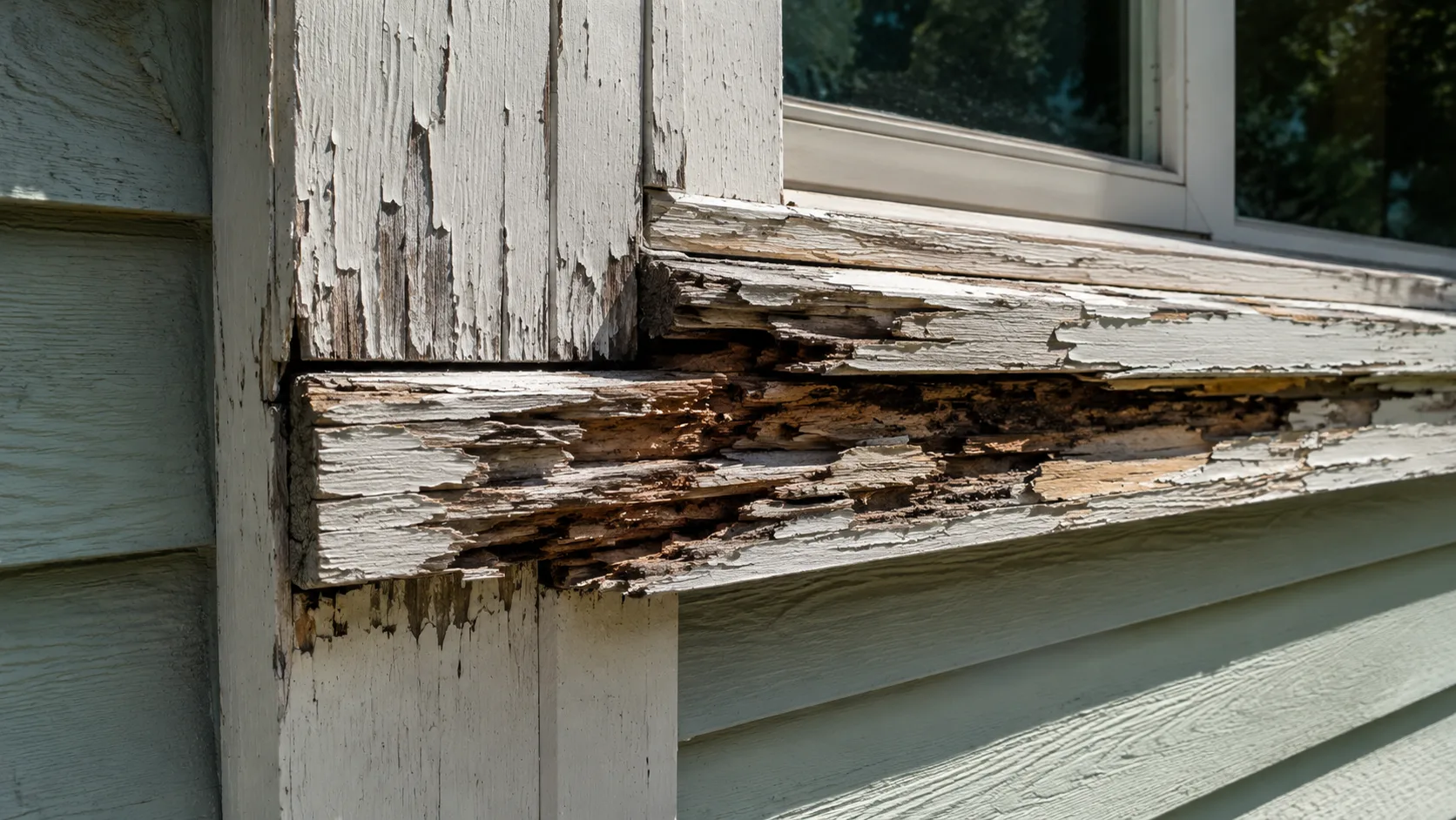
Evidence of long-term, ongoing water intrusion with associated mold and rot — especially where the source is unclear — is a deal-breaker until the source is found. Water damage you can see usually means more you cannot.
A failed or unknown septic / sewer situation
On rural Dakota or Scott County acreage, a failing septic system is a five-figure problem. In town, a collapsed clay sewer lateral is the same. Neither is visible without the right specialty test, which is exactly why they belong on this list.
How to use this
A deal-breaker is not automatic abandonment — it is the trigger to bring in a specialist, get a real scope and number, and decide with facts. The mistake is treating one of these as a routine repair credit and discovering the true scope after closing.
None of these is automatic — but all are decisive
Every item on this list shares one trait: large cost paired with high uncertainty until a specialist scopes it. That combination is what makes them deal-shaping. The correct response is never to guess — it is to pause, bring in the right licensed professional, get a real number, and then decide. The expensive mistake is treating one of these as a routine credit and learning the true scope after you own it.
Keep reading
All buyer-education articles · Knowledge center · Full home inspection
Questions buyers actually ask.
No matching questions — call 612-913-7898 and ask us directly.
Know the house
before you own it.
Same-week availability · Photo-mapped digital report in 24 hours · 612-913-7898